
Featured Post

Friday, May 06, 2022


Wednesday, May 04, 2022

Sunday, September 19, 2021
Health Concerns: Warning Symptoms of Dengue
Health Concerns: Warning Symptoms of Dengue: Dengue fever is a mosquito-borne disease. It is caused by any one of the four dengue viruses that are spread by the bite of Aedes-aegypti ...
Wednesday, May 20, 2020
What is COVID-19?

Coronaviruses are
viruses that may cause illness in animals or humans. In humans,
coronaviruses is known to cause respiratory infections that range from the common
cold to severe respiratory diseases namely, Middle East Respiratory Syndrome
(MERS) and Severe Acute Respiratory Syndrome (SARS).
This new virus and
disease were not known until the outbreak in Wuhan, China, in December
2019. Now, COVID-19 is considered a pandemic affecting several countries
globally.
Older people and
those with underlying medical conditions such as diabetes, cardiovascular
disease, chronic respiratory disease, and cancer are more prone to develop
serious illnesses. At present, there are no specific treatments or vaccines for
COVID-19. Though, there are several ongoing clinical trials evaluating
potential treatment.
Saturday, May 25, 2019
Health Concerns: Summer Care of Baby
Health Concerns: Summer Care of Baby: Summer can be a season which can prove tricky in keeping an infant comfortable. There are certain factors which need to be considered...
Friday, November 03, 2017
Health Concerns: Warning Symptoms of Dengue
Health Concerns: Warning Symptoms of Dengue: Dengue fever is a mosquito-borne disease. It is caused by any one of the four dengue viruses that are spread by the bite of Aedes-aegypti ...
Warning Symptoms of Dengue
Dengue fever is a mosquito-borne disease. It is caused by any one of the four dengue viruses that are spread by the bite of Aedes-aegypti mosquito, which thrives in and near human lodgings. When a mosquito bites a person infected with a dengue virus, the virus enters the mosquito and when this infected mosquito bites another person then, the dengue virus enters that person's bloodstream.

When more than one type of dengue virus is circulated in a particular area then, either Dengue Haemorrhagic Fever or Dengue Shock Syndrome arises. This is a more severe form of dengue fever which can cause severe bleeding, sudden drop in blood pressure (shock) and death. Dengue fever is also known as Break bone fever, as it produces intense pain in bones and joints.
Symptoms
Some people may experience no signs or symptoms during a mild case of dengue fever. The symptoms usually commence 4 to 10 days after being bitten by an infected mosquito. Signs and symptoms of dengue fever most commonly include:
- Sudden high fever, as high as 106 F (41 C).
- Intense headaches.
- Severe muscular, bone and joint pain.
- Pain behind the eyes.
- Widespread skin rash, which appears two to five days after the onset of fever.
- Nausea and vomiting.
- Rarely, minor bleeding from gums or nose.
Most of the patients recover within a week or so but in few cases, the symptoms may worsen and can become life-threatening. Few cases may give rise to Dengue Hemorrhagic Fever where bleeding tendency may occur. Bleeding may occur under the skin, from the nose, gums or blood may be passed in stools. In such cases, drop in the platelet (cells responsible for clotting of blood) count may occur leading to hemorrhages. With severe bleeding, shock may develop with low blood pressure, rapid or weak pulse with cold clammy skin and restlessness. Such cases with shock are labeled as Dengue Shock Syndrome.
Wednesday, April 20, 2016
Heat Stroke: Causes, Symptoms & Prevention

Sunstroke
or Heat Stroke may occur when a person remains under the sun for a long duration
of time usually in combination with dehydration which causes failure of the
temperature control system of the body. The normal body temperature is 98.6°F
while, in heat stroke it rises to more than 105°F with complications concerning
the central nervous system.
Heat stroke if not treated promptly
and properly can be fatal. Untreated sun stroke can damage heart, brain,
muscles and kidneys. The longer the delay in the treatment, the intense is the
damage, accelerating the risk to serious complications and death.
CAUSES
Some of the causes of heat stroke
are:-
·
Prolonged
exposure to the sun;
·
Excessive
strenuous physical activity raising body temperature;
·
Failure
of sweat to evaporate properly due to wearing excess amount of warm clothing;
·
Reduced
intake of water or fluids;
·
Consumption
of alcohol.

SYMPTOMS
Symptoms of sunstroke are:-
·
Increased
body temperature;
·
Fainting;
·
Red,
hot and dry skin;
·
Throbbing
headache;
·
Dizziness;
·
Lack
of sweating;
·
Rapid
breathing & heart rate;
·
Mental
confusion;
·
Disorientation;
·
Muscle
cramps.
FIRST AID
First
aid provided to the person before the arrival of medical aid can be of immense
help. The following first aid can be offered to the patient:-
- Wet
the skin of the patient with water with a sponge or cloth and fan air over
the patient;
- To reduce body temperature, cool areas that is
rich with blood vessels close to the skin such as neck, groin, back and
armpits.
- Immerse the patient in a tub of cold water.
PREVENTION
Sunstroke can be prevented by:-
·
Consuming
plenty of water;
·
Avoiding
over-exertion of body during hot weather;
·
Avoiding
vigorous physical activities in hot and humid weather;
·
Wearing
light-colored, loose fitting and lightweight clothes;
·
Avoiding
outdoor activities during the hottest time of the day, during summers;
·
Using
a sunscreen with sun protection factor of more than 30;
·
Avoiding
fluids containing caffeine or alcohol.
Author, Dr. Varsha Sharma Kapila is a
Consultant Homoeopath, practising since last 19yrs. She offers Online
Homeopathic treatment; Dietetic counseling; martial counseling and addiction
counseling. She can be reached on her email – drvarshas@gmail.com
Dr. Sharma is an Associate Professor
in a Homoeopathic Medical College. She has got vast experience in treating
several ailments ranging from hair fall, psoriasis, acne, skin complaints,
recurrent respiratory complaints, bronchitis, asthma, allergic coryza,
migraine, sinusitis, nasal polyps, kidney complaints, female disorders,
respiratory diseases, digestive disorders, arthritis, pains and aches, erectile
dysfunction, impotence, kidney stones, depression, psychiatric disorders,
recurrent attacks of cold, pediatric complaints, old age diseases, etc.
Thursday, December 17, 2015
How to Keep Your Baby Warm in Winter?
As
winter approaches, parents have already laid their hands on woolens mittens, socks, caps, sweaters and wrappers to protect their child from the harsh winter. But every
parent is in a dilemma regarding the quantity of clothing required to protect
their child from winter cold. A question arises in their minds, whether their child
is under-clad or over-clad or is the clothing appropriate. As over-cladding and
under-cladding both can make a child catch cold. Hence, dressing the child with
adequate clothing is essential.

Below
are mentioned a few guidelines which shall help the parent judge the right
winter clothing required by their child.
- Use
cotton over woolens – As wool may
cause irritation and itching. Also, as some babies at times suck on any
piece of cloth which they can get into their mouths hence, the fibers of wool
may be ingested by the baby.
- Use
layers of cotton – Using several layers of cotton
shall help create an insulation which shall trap the warmth of the body
preventing it from escape.
- Cotton
closest to the skin – The first layer of clothing
closest to the skin should be pure cotton as it saves the child from skin
allergies that may arise from woollens.
- One more layer than you need – It is a golden rule to protect your baby with one more layer than you require. If the mother feels warm with two layers of clothing than three layers should be sufficient to protect the child.

- Cover
the extremes – Body loses a large amount of heat
from the extremes such as hands, feet and head hence, they should be
covered to prevent the loss of body heat.
- Keep
the chest warm – Keep the heart region warm so that
the body can be kept warm.
- Bath
time – To keep the baby warm, it is essential to dry the
baby immediately after bathing; to prevent loss of heat through
evaporation.
In
order to determine the actual body temperature of the baby, you should feel the
tummy; back; neck or underarm region. Hands
and feet are not good indicators of judging the body temperature. Follow these
guidelines and protect your child effectively against cold…..
Author,
Dr. Varsha Sharma Kapila is a Consultant Homoeopath, practising since last
19yrs. She offers Online Homeopathic treatment; Dietetic counseling; martial
counseling and addiction counseling. She can be reached on her email
–drvarshas@gmail.com
Dr. Sharma is an Associate Professor in a
Homoeopathic Medical College. She has got vast experience in treating several
ailments ranging from hair fall, psoriasis, acne, skin complaints,
recurrent respiratory complaints, bronchitis, asthma, allergic coryza,
migraine, sinusitis, nasal polyps, kidney complaints, female disorders,
respiratory diseases, digestive disorders, arthritis, pains and aches, erectile
dysfunction, impotence, kidney stones, depression, psychiatric disorders,
recurrent attacks of cold, pediatric complaints, old age diseases, etc.
Thursday, December 10, 2015
Natural Skin Care during Winters

Winter is the season when you need to take additional care of
your skin. This season produces adverse effects on the skin. Winter stripes the
moisture away from our skin producing dry, red, cracked or even peeling of
skin. To avoid such unfavorable effects and serious skin conditions; it is
essential to maintain the skin health by taking proper care of your skin duringthe winters.
Skin care tips which can help you preserve skin health during
winters:-
·
Use of Moisturizer - Winter reduces the moisture from your skin resulting in dryness, itching, wrinkling and scaling. Therefore, to prevent
dryness and itching the skin should be lubricated.

Lubricate your skin with the help of moisturizer. Moisturizer should be
applied minimum 2 – 3 times each day or as the need arises. Moisturizer works best when applied on damp
skin as it locks moisture inside.
· Use of Humidifier – Indoor heating leads to
dry air in the surroundings. Humidifier can be used to increase the moisture in the air thus, preventing
scaling and dryness of skin.
- Increase Water Intake – Water helps in keeping the skin hydrated
then, it is recommended to drink abundant quantity of water throughout the
day. Drinking more water keeps the skin moist and smooth.
- Bathing Restrictions
– Avoid long
duration in hot shower as it strips off the natural skin oils of the skin.
Restrict bathing to only once a day and to a short duration of
approximately 15 minutes.
- Use of Soaps - Use gentle soaps or skin cleansers with added moisturizers. Soaps free of
harsh chemicals should be used.

· Limit Face Washing – Restrict
face washing to prevent drying of skin. Wash your face once in the morning and
once in the night or after sweating.
To
keep your skin soft and supple, adapt these winter skin care tips and enjoy
winter......
Author,
Dr. Varsha Sharma Kapila is a Consultant Homoeopath, practising since last
19yrs. She offers Online Homeopathic treatment; Dietetic counseling; martial
counseling and addiction counseling. She can be reached on her email
–drvarshas@gmail.com
Dr. Sharma is an Associate Professor in a
Homoeopathic Medical College. She has got vast experience in treating several
ailments ranging from hair fall, psoriasis, acne, skin complaints,
recurrent respiratory complaints, bronchitis, asthma, allergic coryza,
migraine, sinusitis, nasal polyps, kidney complaints, female disorders,
respiratory diseases, digestive disorders, arthritis, pains and aches, erectile
dysfunction, impotence, kidney stones, depression, psychiatric disorders,
recurrent attacks of cold, pediatric complaints, old age diseases, etc.
Saturday, December 05, 2015
Homoeopathy: A Boon for Infertile Couples
Infertility or Sterility is the incapacity
to conceive after one year of frequent unprotected intercourse. The cause
of infertility can be either due to the male partner or the female partner.
Hence, examination of both the partners is essential.

Female Infertility
When the cause of infertility is due to the female partner
then, it is known as female infertility. In case, a woman has repeated
miscarriages (loss of a baby before 24 weeks of pregnancy) then too, it is known as infertility.
Too long or too short, irregular or absent
menstrual cycle can be an indication of lack of ovulation (process of release of a mature egg from the ovary), which can be linked with female infertility.
There shall be no other apparent signs or symptoms.
Male Infertility
Incapability of a male to cause pregnancy in a fertile female is termed as male
infertility. There are a number of causes leading to infertility in men. Some
of the infertility causes in males are defect in quality and quantity of the semen; abnormal sperm function; chronic health
problems; etc.
Treatment
Infertility treatment in men and women is dependent
on the cause of infertility.
Aim of treatment shall be to restore fertility
either by means of –
·
Medication;
·
Surgery
or
·
Assist
in reproduction through techniques.
Infertility
and Homeopathy
Homoeopathy plays an effective role in the
treatment of Infertility. It is considered to be the best and the safest mode
of treatment for male or female infertility.
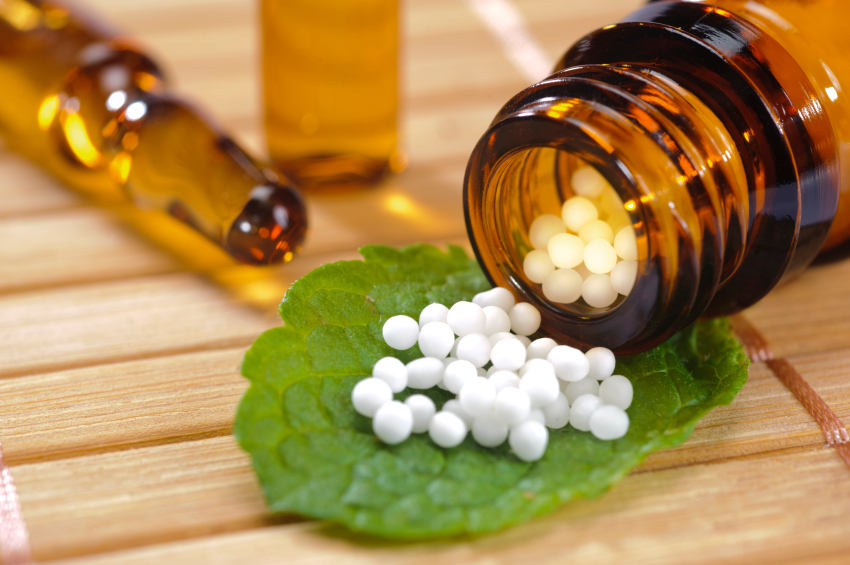
Homoeopathic medicines act on the hormones and
are capable of bringing back the hormonal deviations back to normalcy. These
medicines act by stimulating the glands to generate the required amount of
hormones thus, restoring the normal functioning.
This mode of therapeutics further helps in
rectifying sperm abnormalities and also increases sperm motility, sperm count
and semen quality and quantity.
The various causes leading to infertility can
be well treated by homeopathy thus, resulting in fertility.
Opt for Homeopathic treatment to eliminate
Infertility…….
Author,
Dr. Varsha Sharma is a Consultant Homoeopath, practising since last 19yrs.
She offers Online Homeopathic treatment; Dietetic counseling; martial counseling
and addiction counseling. She can be reached on her email –drvarshas@gmail.com
Dr. Sharma is an Associate Professor in a
Homoeopathic Medical College. She has got vast experience in treating several
ailments ranging from hair fall, psoriasis, acne, skin complaints,
recurrent respiratory complaints, bronchitis, asthma, allergic coryza,
migraine, sinusitis, nasal polyps, kidney complaints, female disorders,
respiratory diseases, digestive disorders, arthritis, pains and aches, erectile
dysfunction, impotence, kidney stones, depression, psychiatric disorders,
recurrent attacks of cold, pediatric complaints, old age diseases, etc.
Friday, May 29, 2015
Importance of Vegetarian Foods Rich In Proteins
Daily consumption of proteins in our diet is very essential
as it plays several key roles in the functioning of our human body. Proteins are
known as the building blocks of our life. Every cell in our
body contains proteins in the form of amino acids, which promotes cell growth
and repair. Proteins are vital for human development and growth during
childhood, adolescence and pregnancy. Our
hair, fingernails, muscles, etc are mostly composed of proteins. Lack of protein in the diet may
lead to weakness, fatigue and increased susceptibility to flu's and infections.
It is a common belief that it is tough for the vegetarians to
obtain proteins from the vegetarian food, as non-vegetarian foods have high content of proteins. You
need not worry regarding your sources of protein even if you are a vegetarian.
There are numerous vegetarian foods other
than the animal foods that are rich in protein. Appropriate quantities of these
vegan food substances rich in proteins can help you fulfill your protein
requirements.
The
protein requirement per day on average for women is 46g and 56g for men. Pregnant or lactating women require increased amounts of protein intake.
To
acquire adequate amount of proteins in a vegetarian diet, it is advisable to
eat multiple servings of legumes, amaranth, pistachios, pumpkin seeds every
day.
Few other vegetarian foods rich in proteins
are Soy, Milk, Soy Milk, Rice, Beans, Hummus, Pita, Peanut Butter,
Green peas, tofu, Cottage
Cheese, Almonds, Sunflower Seeds, Spinach, Flaxseeds, Sesame seeds, Chickpeas, Orange, Papaya, Apple,
Grapes, Banana, Pineapple, Peach, Pears, Peanuts, etc.
Consuming
excess amount of animal proteins leads to the formation of kidney stones and
cancer or liver and colon. Hence, animal protein should be substituted by vegetable
proteins. Therefore, vegetarian foods rich
in proteins are considered to be safe and can be consumed in excess. Proteins It is vital to take recommended amounts
of protein in your diet daily to achieve optimum internal and external health.
Author, Dr. Varsha Sharma is a Consultant Homoeopath, practising since last 18yrs. She is an Associate Professor in a Homoeopathic Medical College. She has got vast experience in treating several ailments ranging from hair fall, psoriasis, acne, skin complaints, recurrent respiratory complaints, bronchitis, asthma, allergic coryza, migraine, sinusitis, nasal polyps, kidney complaints, female disorders, respiratory diseases, digestive disorders, arthritis, pains and aches, erectile dysfunction, impotence, kidney stones, depression, psychiatric disorders, recurrent attacks of cold, paediatric complaints, old age diseases, etc. She further offers Online Homeopathic treatment; Dietetic counselling; martial counselling and addiction counselling. She can be reached on her email –drvarshas@gmail.com
Sunday, April 27, 2014
What is Glucometer?
Glucometer
is a portable device with which one can measure and monitor blood sugar levels/
concentration of glucose in blood. Glucometer is of great use to diabetic patients as they can keep a record of their blood sugar levels from the comfort
of their home. This device is easy to use. It helps in providing instant
results regarding the blood sugar levels hence enabling the patient to decide
when he needs to meet his doctor.

Regular monitoring of blood glucose is
important as it can prevent or delay complications of diabetes. Monitoring of
blood sugar level further helps in comprehending the effects of various food
substances and activities on blood glucose levels in your body.
There are different types of glucometers available in the market but
they all perform the same function. Commonly used glucometer kit includes
lancets (needles used to prick the skin); test strips (used to test and measure
blood glucose levels). Each strip is to be used once and then discarded.
Before testing ensure that the test strips have not expired.

LCD display on the glucometer
displays the blood sugar readings and towards the bottom, there is a slot to
fit the test strip. The device has an in-built memory to store the glucose readings. Some models of glucometer can be connected to a personal computer and
the test results can be stored.
Working
Lancet is used to prick the skin
and a small sample of blood is placed on a test strip which is then placed in
the device slot. The sensor underneath this slot transmits the reading for the
blood sample. Test strips are coated with chemicals which react with glucose present
in blood. Glucometer measures the amount of glucose present. Glucose level displayed
is measured in milligrams per deciliter (mg/dL) or millimol per liter (mmol/L).

Volume of blood sample required for testing varies from
model to model, from 0.3 to 1 μl. Time
taken to read the test strip may vary from 3 to 60 seconds for different
models.
Accuracy
Glucometers must meet the accuracy standards set by the International Organization for Standardization (ISO). There are several factors that affect the accuracy of a test, such as calibration of meter, amount and quality of blood sample, cleanliness of meter, humidity, aging of test strips, etc. Good machines too, have a margin of error of minimum 10%. Laboratory testing for blood sugar is advisable once in 6 months.
Glucometers must meet the accuracy standards set by the International Organization for Standardization (ISO). There are several factors that affect the accuracy of a test, such as calibration of meter, amount and quality of blood sample, cleanliness of meter, humidity, aging of test strips, etc. Good machines too, have a margin of error of minimum 10%. Laboratory testing for blood sugar is advisable once in 6 months.
Glucometers are easily available online
(www.flipkart.com) and in medical stores without a
prescription. This device is a must-have device for people suffering with
diabetes.
Author, Dr. Varsha Sharma is a Consultant Homoeopath, practising since last 17yrs. She is an Associate Professor in a Homoeopathic Medical College. She has got vast experience in treating several ailments ranging from high blood sugar, low blood sugar, hair fall, psoriasis, acne, skin complaints, recurrent respiratory complaints, bronchitis, asthma, allergic coryza, migraine, sinusitis, nasal polyps, kidney complaints, female disorders, respiratory diseases, digestive disorders, arthritis, pains and aches, erectile dysfunction, impotence, kidney stones, depression, psychiatric disorders, recurrent attacks of cold, paediatric complaints, old age diseases, etc. She further offers Online Homeopathic treatment; Dietetic counselling; martial counselling and addiction counselling. She can be reached on her email – drvarshas@gmail.com
Subscribe to:
Posts (Atom)